polycarbonate scrap
Blog post description.
8/2/20252 min read
Polycarbonate Scrap: A Global Perspective and Local Insights for the UAE
In an era where sustainability is no longer a choice but a necessity, the recycling of high-performance plastics has taken center stage. Among these, Polycarbonate (PC) stands out due to its incredible durability and versatility.
At Al Shaab Al Waseem, we are committed to promoting a circular economy. In this blog, we explore the significance of polycarbonate scrap, its diverse uses, and the industrial procedures involved in recycling it both in the UAE and across the globe.
What is Polycarbonate (PC) Scrap?
Polycarbonate is a naturally transparent amorphous thermoplastic. It is prized for being incredibly strong, lightweight, and heat-resistant. Because it is a thermoplastic, it can be melted, cooled, and reheated without significant degradation, making it an ideal candidate for recycling.
Common sources of PC scrap include:
Industrial offcuts and sheets.
Water bottles and five-gallon containers.
Automotive headlamps and dashboards.
Electronic components and CD/DVD waste.
Global and UAE Market Trends
Worldwide, the demand for recycled polycarbonate is surging as manufacturers in the automotive and electronics sectors strive to meet "green" regulations.
In the UAE, the focus on sustainability is sharper than ever, driven by initiatives like the UAE Circular Economy Policy 2021–2031. As a major hub for trade and construction, the UAE generates significant plastic waste. By processing polycarbonate scrap locally, we reduce the carbon footprint associated with importing raw materials and contribute to the nation’s "Zero Waste" goals.
Key Uses of Recycled Polycarbonate
Once processed, PC scrap is transformed into high-quality regrinds or pellets that find their way into various industries:
Construction: Used in the production of UV-resistant roofing sheets, skylights, and sound barriers.
Automotive: Recycled PC is often blended with ABS to create interior car parts that require high impact resistance.
Electronics: Used for laptop housings, phone cases, and electrical connectors.
Household Goods: Found in high-end kitchenware, luggage, and sports equipment.
The Recycling Procedure: From Scrap to Raw Material
The process of turning polycarbonate scrap back into a usable resource is a meticulous engineering feat. Here is the standard procedure followed by professional recycling facilities:
1. Collection and Sorting
Scrap is gathered from various industrial and post-consumer sources. The most critical step is sorting; PC must be separated from other plastics like PVC or Acrylic, as contamination can ruin the integrity of the recycled batch.
2. Size Reduction (Shredding/Grinding)
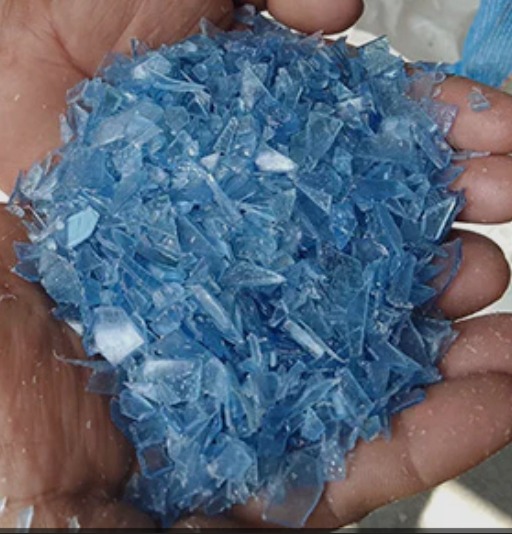
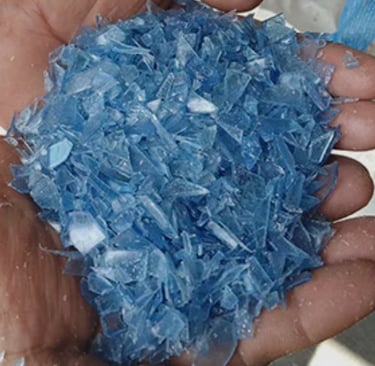
The large pieces of scrap—such as sheets or water jugs—are fed into heavy-duty granulators. These machines grind the plastic into small "regrinds" or flakes.
3. Washing and Decontamination
The flakes are washed to remove adhesives, labels, dust, and any chemical residues. This ensures the final product is pure and clear.
4. Pelletizing (Extrusion)
The clean flakes are fed into an extruder, where they are melted under controlled temperatures. The molten plastic is pushed through a die and cut into uniform pellets. These pellets are the primary raw material for manufacturers.
5. Quality Testing
Before being shipped to clients, the recycled pellets undergo rigorous testing for melt flow index (MFI), impact strength, and color consistency.
Why Choose Al Shaab Al Waseem for PC Scrap Solutions?
Whether you are looking to sell industrial polycarbonate scrap or source high-quality recycled PC materials, Al Shaab Al Waseem is your trusted partner in the UAE.
We bridge the gap between waste and utility, ensuring that valuable plastic resources are diverted from landfills and returned to the manufacturing cycle. By choosing recycled polycarbonate, you are not just saving costs—you are saving the planet.
Contact us today to learn more about our plastic recycling services and how we can help your business go green.